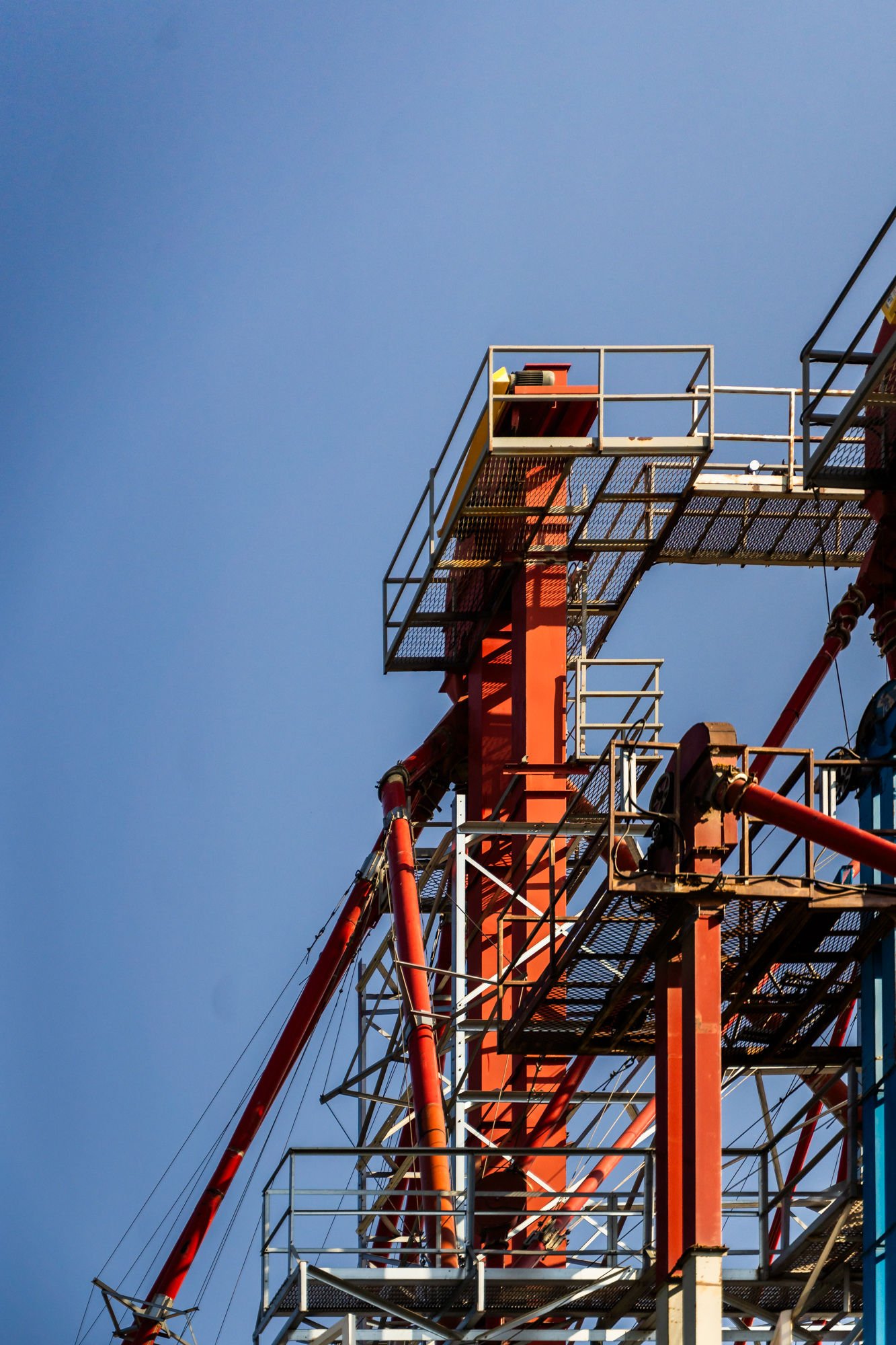
The global grain cleaner market is projected to grow from USD 1.5 billion in 2024 to USD 2.3 billion by 2033, reflecting its increasing critical role in agriculture and food processing (Verified Market Reports). Quality grain cleaning supports food safety, reduces spoilage, and enhances the value and marketability of grain (Packaging Revolution, Metra Grain Cleaner).
Studies show that unplanned downtime remains a major cost driver in industrial operations. Manufacturing facilities face an average of 20 downtime incidents per month (WorkTrek). Unplanned downtime costs industrial manufacturers up to USD 50 billion per year (FourJaw), and two-thirds of companies experience unplanned downtime at least once a month, with an average cost of USD 125,000 per hour (ISM World).
1. Regular Asset Inspection
Routine checks focus on wear and performance issues—such as degraded aspirators, sieves, or frames—so that small issues are addressed before they escalate into costly failures.
2. Operator Training
KPIC provides hands-on training to help operators recognize early signs of wear or inefficiency and perform basic adjustments that keep systems running should issues arise.
3. Best Practices in Operation
Adopting a consistent “look, listen, and feel” approach enables early detection of anomalies. Regular calibration and cleaning based on manufacturer guidelines help maintain throughput and accuracy.
4. Integrating Maintenance Strategies
Proactive maintenance, combined with predictive tools like vibration or performance monitoring, can significantly reduce incidents of unplanned downtime (Augury).
Even if a facility is not ready to commit to a formal maintenance program, documenting system performance now can make a significant difference later. This includes:
This baseline data can help maintenance teams spot performance drift over time and set more accurate service intervals. It also reduces guesswork when troubleshooting recurring issues and supports smarter investment decisions when system upgrades are being considered.To request a facility inspection or discuss a custom maintenance program, contact KPIC anytime.
 Read More